What a Musty Smell May Reveal About Hidden Mold Damage
· 5 min read · Mold
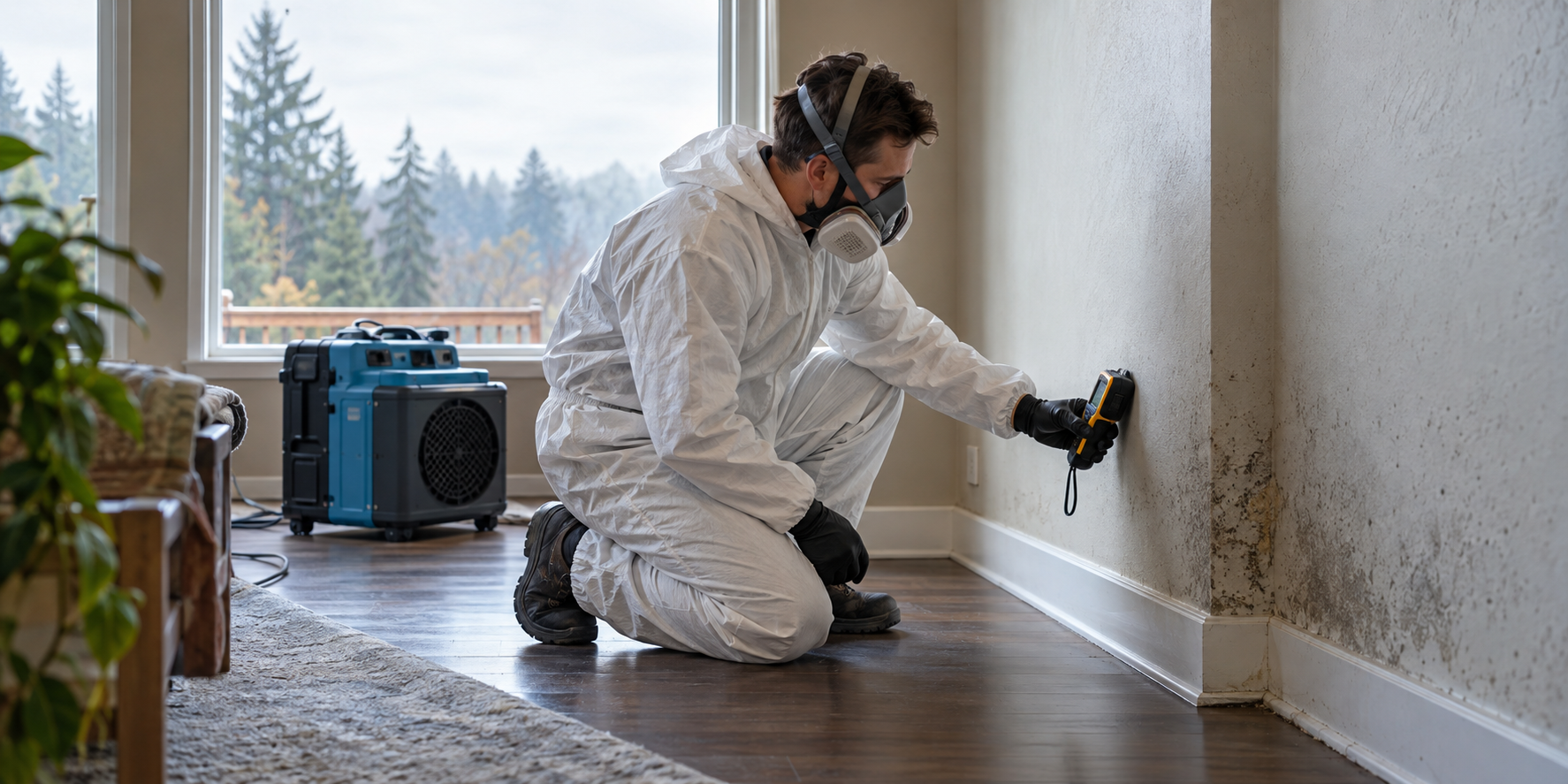
A musty odor can be easy to dismiss when no mold is visible. In many homes, however, the smell may point to damp materials behind drywall, beneath flooring, inside cabinetry, or in a crawl space. The odor alone cannot confirm the source or extent of a mold problem, but it is a useful reason to investigate before moisture causes additional property damage.
For homeowners in Marysville and surrounding Snohomish County communities, Quality Restoration NW provides mold inspection, moisture mapping, air and surface sampling when appropriate, containment, remediation, and post-remediation verification. A methodical assessment helps separate a small surface issue from growth connected to a leak, condensation, or past water damage.
Why Mold Can Stay Hidden
Mold can develop wherever building materials remain damp. A slow plumbing leak, roof intrusion, appliance connection, or humid crawl space may wet the back of drywall or the underside of flooring without creating an obvious puddle. Paint, trim, and cabinets can conceal the affected area while odors become noticeable first.
Quality Restoration NW’s mold inspection and remediation service includes visual assessment and moisture mapping to help identify where the moisture is coming from and which materials may require closer evaluation.
Signs That Support a Professional Inspection
Along with a persistent musty smell, watch for discoloration, peeling paint, swollen baseboards, warped flooring, repeated condensation, or staining that returns after cleaning. These signs do not prove how extensive the damage is. They do show that moisture may still be present and that cleaning the visible surface may not address the underlying condition.
Avoid disturbing suspected growth, opening walls, or running fans directly across the affected area. Those actions can move dust and particles into other rooms. If the source is an active leak or recent water loss, first stop the water when it is safe to do so and arrange for professional drying.
Learn more about the company’s water damage restoration and structural drying services for leaks, flooding, and hidden moisture that may contribute to mold growth.
What Happens During Mold Remediation
The appropriate scope depends on where the growth is located, the materials involved, and how far moisture has traveled. A professional plan may include sealing the work area, using HEPA air filtration, removing materials that cannot be cleaned, treating remaining surfaces, and correcting the moisture source. Documentation and verification help show what was found, what work was completed, and whether the area is ready for normal use.
If the moisture involves a sewage backup or other contaminated water, the cleanup requires additional controls and sanitation. Quality Restoration NW also provides sewage and biohazard cleanup for affected properties in Marysville and nearby communities.
Do Not Rely on Odor or Color Alone
The appearance or color of a spot does not identify the type of mold, and odor intensity does not measure the size of the affected area. Testing may be helpful in certain situations, including real-estate documentation or when the source is unclear. The inspection findings should guide whether sampling is appropriate and what remediation steps are needed.
Schedule a Mold Inspection in Marysville
If a musty odor, recurring stain, or past water problem has you concerned, address the moisture before the damage spreads. Quality Restoration NW serves Marysville, Everett, Lake Stevens, Arlington, Snohomish, and other communities across Snohomish County.
Call 206-787-0291 to schedule a mold inspection or request service. Insurance coverage varies by the cause of loss and the terms of the policy.