What to Do After a Sewage Backup
· 5 min read · Sewage
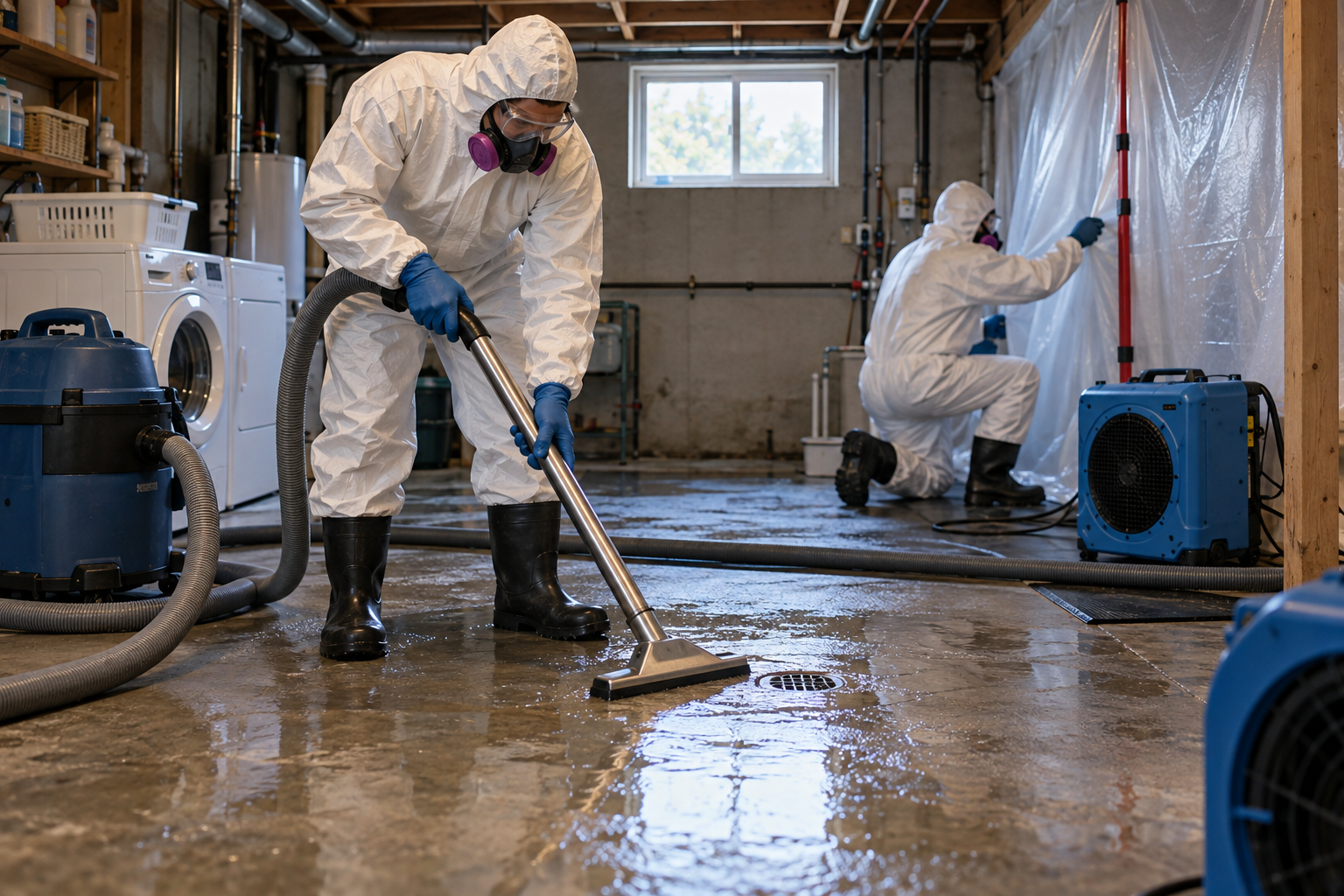
A sewage backup can turn a routine plumbing problem into a contamination emergency. Wastewater may spread through a bathroom, laundry room, basement, or lower-level floor drain, reaching porous materials and hidden spaces. Knowing what to do in the first few minutes can reduce exposure and help keep the affected area from growing while you arrange professional sewage backup cleanup in Marysville, WA.
1. Keep People and Pets Away
Do not walk through sewage-affected water unless leaving the area is necessary for safety. Close the door or block access to the room, and keep children and pets well away. Avoid touching wet materials with bare skin.
If water is near electrical outlets, appliances, or the electrical panel, do not enter the area; contact the appropriate emergency professional before approaching it.
2. Stop Adding Water to the Drain System
Pause toilets, sinks, showers, dishwashers, and washing machines until the source has been evaluated. Continued water use may feed the backup or push additional wastewater into the property.
A licensed plumber may need to clear or repair the line, while a restoration team handles extraction, sanitation, drying, and damage documentation.
3. Avoid DIY Extraction and Air Movement
A household vacuum or shop vacuum is not designed for sewage-contaminated water. Fans can also move droplets or particles beyond the original area before containment is established.
Do not apply bleach or other chemicals without understanding the material, concentration, ventilation, and compatibility requirements. Surface cleaning alone may miss contamination below flooring, behind baseboards, or inside wall cavities.
4. Document the Damage From a Safe Position
If you can do so without entering the contaminated area, take photos or video from the doorway. Record when the backup began, which fixtures were affected, and any recent plumbing or storm-related issues.
Insurance coverage varies by policy and cause, so contact your carrier promptly and ask what documentation is required before materials are removed.
5. Call a Trained Cleanup Team
Professional cleanup typically starts with containment, protective equipment, and controlled water extraction. Technicians then assess which materials can be cleaned and which may need removal.
Appropriate surfaces are sanitized, and moisture meters help locate water that traveled into subflooring or wall assemblies. Industrial drying and dehumidification continue until the structure reaches suitable moisture levels. Learn more about water damage restoration and structural drying, and about professional mold remediation for moisture that is not addressed quickly.
Sewage Cleanup Across Snohomish County
Quality Restoration NW provides 24/7 water-damage response from Marysville and lists flood and sewer-backup mitigation and sanitation among its services. The licensed, bonded, and insured team serves communities across Snohomish County, including Everett and Arlington.
Calling early gives the crew a better opportunity to contain the affected area, remove standing water, document the loss, and begin drying before moisture spreads farther. Call 206-787-0291 for 24/7 emergency assistance. Keep people and pets out of the affected area and avoid using connected plumbing until the source and contamination have been evaluated.