Septic Backup Cleanup in Marysville: What Homeowners Should Do First
· 6 min read · Sewage
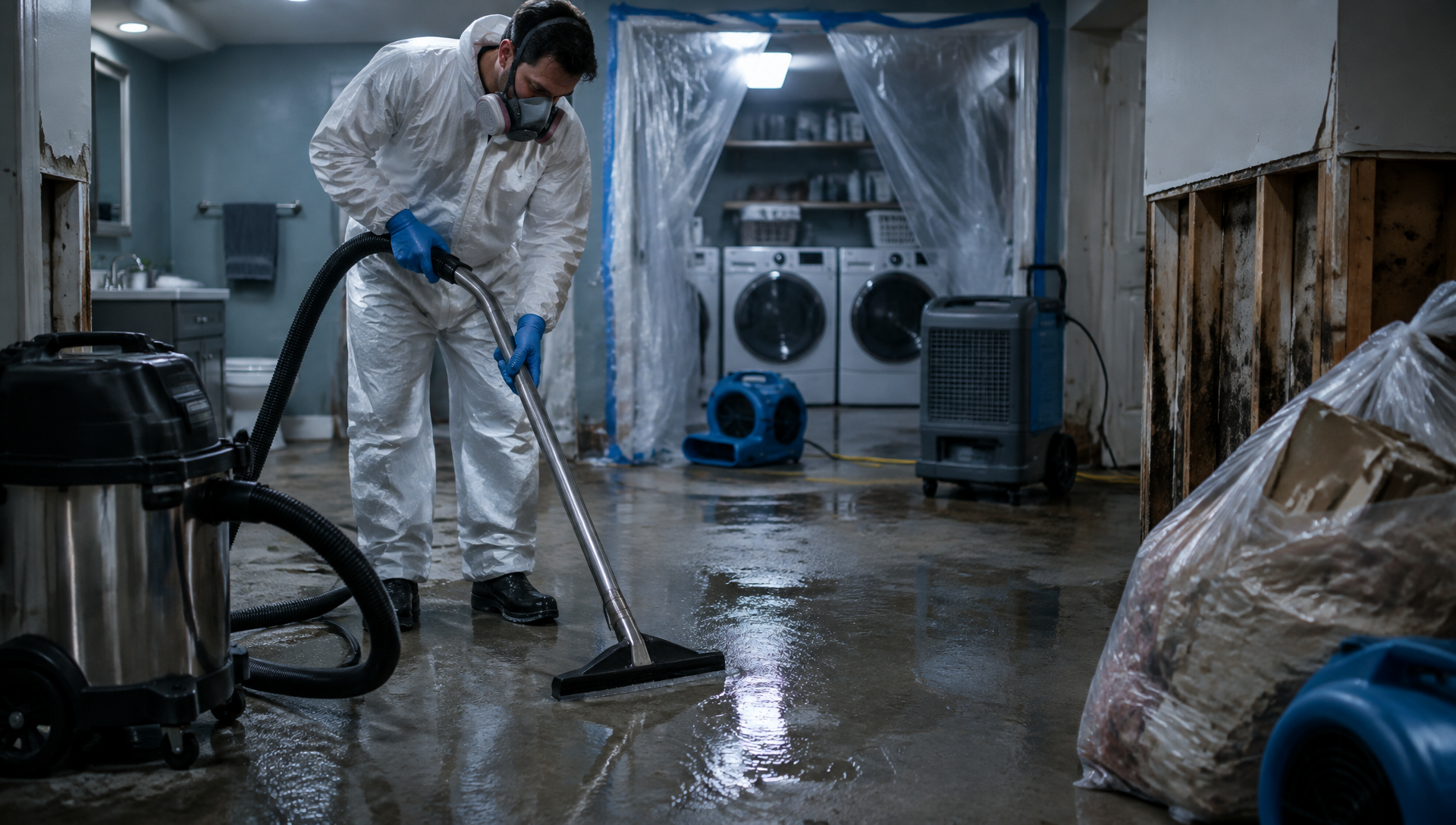
When a septic system backs up, it never picks a good time. You might hear gurgling drains, find a toilet that will not flush, or see wastewater rising through a shower or floor drain. Septic backup cleanup in Marysville is something plenty of homeowners on septic systems end up facing, and knowing what to do first can keep the mess smaller and your family safer while you get the right help on the way.
This guide is for homeowners in Marysville, Arlington, Lake Stevens, Granite Falls, Snohomish, and other parts of Snohomish County where septic systems are part of everyday life. Quality Restoration NW provides sewage and septic backup cleanup, including extraction, removal of contaminated materials, sanitization, odor treatment, and structural drying.
Signs Your Septic System Is Backing Up
Septic trouble often shows up in the lowest drains first. Watch for slow drains throughout the house, gurgling sounds from toilets or tubs, sewage odors indoors, and water that comes up in a shower, tub, or floor drain when you run the washer or flush a toilet.
Outside, soggy ground or standing water over the drain field can point to a system that is struggling, especially during a long stretch of fall rain. Our wet season keeps the soil saturated for weeks at a time, and that can make an overloaded system show symptoms sooner.
What to Do First After a Septic Backup
Stop using water. Every flush, shower, and load of laundry sends more water toward a system that cannot take it. Ask everyone in the house to hold off on toilets, sinks, the dishwasher, and the washing machine until the problem has been looked at.
Keep people and pets away from the affected area. Septic wastewater is treated as Category 3 black water, the same as a sewer backup, so avoid touching it and keep kids out of the room. Our guide to water damage categories and classes explains the difference between clean, gray, and black water. If water is close to outlets, cords, or appliances, stay out and call a qualified professional before going in.
If you can do it from a safe spot, take photos or video of the affected rooms and note when the backup started. That record can help later if you contact your insurance company.
Who to Call: Septic Service vs. Cleanup Crew
A septic backup usually needs two kinds of help. A septic service company handles the system itself, such as pumping the tank or diagnosing a problem with the lines or drain field. A restoration team handles what happened inside your home: extraction, removing contaminated materials, sanitizing, and drying.
Quality Restoration NW focuses on the cleanup and restoration side. If the tank or lines need attention, plan on calling a septic professional too, so the source gets fixed while the inside of your home is being cleaned up.
Why DIY Septic Backup Cleanup Is Risky
It is tempting to grab a mop and some bleach, but septic wastewater carries bacteria and other pathogens that ordinary household cleaning will not reliably handle. Shop vacuums and fans can spread contaminated droplets and odors into other rooms before the area is contained.
The bigger issue is what you cannot see. Wastewater soaks into carpet pad, drywall, insulation, and subflooring. Those porous materials usually cannot be safely cleaned once they have absorbed contaminated water, and they typically need to be removed. Our article on sewage backup health risks explains why this kind of water deserves extra caution, and our post on what to do after a sewage backup covers more first steps that apply to septic problems too.
What Professional Septic Backup Cleanup in Marysville Looks Like
Every job is a little different, but a professional cleanup generally follows the same path. It starts with containment and protective equipment so contamination stays in the work area. Then the crew extracts standing wastewater using sealed equipment.
Next, contaminated porous materials like carpet, padding, drywall, and insulation are removed and disposed of properly. Remaining surfaces are sanitized and disinfected with antimicrobial treatment, and odor removal and air treatment help address the smell at its source.
Finally comes structural drying. Moisture meters help find water that traveled under flooring or into wall cavities, and commercial drying equipment runs until materials are dry. From there, repairs can return the space to a livable condition. Our water damage restoration team handles that drying and repair work. If the backup spread across a lower level, our post on basement flood cleanup in Marysville covers more of what to expect with below-grade water.
When the Backup Shows Up Outside Too
Sometimes the problem appears in the yard instead of, or along with, the house. Wastewater can surface over the drain field or near the tank. Keep kids and pets away from saturated areas, and do not try to rake or hose it away. The septic company will need to address the system itself, and our team can help with contaminated areas connected to your home.
Mold and Lingering Moisture After a Backup
Any water left behind in walls or floors can lead to mold growth, and septic backups are no exception. If you notice a musty smell weeks after a cleanup, do not ignore it. Our mold remediation team can inspect for hidden moisture and growth. For more background, read our posts on how fast mold grows after water damage and what a musty smell may reveal about hidden mold damage.
A Note on Insurance
Coverage for septic and sewage backups varies a lot from policy to policy. Some policies exclude them, some cover them only with a specific endorsement, and many have limits. Mold related to the backup may also be excluded or capped. Call your insurer early, ask what they need from you, and keep your photos and notes handy.
Our guide on what to expect when the insurance adjuster visits can help you prepare. Our team also provides detailed documentation of the contamination and damage that you can share with your carrier.
Septic Backup Cleanup FAQ
Can I keep using my toilets during a septic backup? It is best not to. Using any fixture adds water to a system that is already backing up and can push more wastewater into your home. Hold off until the system has been checked.
Is septic wastewater as dangerous as sewer water? Treat it the same way. Both are considered Category 3 black water and can carry bacteria and other pathogens, so avoid contact and keep people and pets away.
Do I need a septic company and a restoration company? Often, yes. A septic professional deals with the tank, lines, and drain field, while a restoration team cleans, sanitizes, and dries the inside of your home.
Get Help With a Septic Backup in Marysville
If wastewater has come up into your home, the sooner the area is contained and cleaned, the less chance the damage has to spread. Quality Restoration NW is based in Marysville and serves Smokey Point, Tulalip, Arlington, Lake Stevens, Everett, Snohomish, Stanwood, Mukilteo, Granite Falls, and communities across Snohomish County.
Call 206-787-0291 for 24/7 sewage and septic backup cleanup. Insurance coverage varies by the cause of loss and the terms of your policy.